From Micromanagement to Team Empowerment: A Culture Shift
Micromanagement often stifles creativity, trust, and growth in the workplace, creating a culture of dependency and frustration. By shifting from micromanagement
Micromanagement often stifles creativity, trust, and growth in the workplace, creating a culture of dependency and frustration. By shifting from micromanagement to empowerment, leaders can foster a workplace where employees thrive, take ownership, and drive innovation.
In this guide, we’ll explore the downsides of micromanagement, the benefits of employee empowerment, and practical steps to cultivate a culture of trust and autonomy.
The Hidden Costs of Micromanagement
While micromanagement may seem like a way to ensure control, it often backfires. Some common consequences include:
-
Decreased Morale: Employees feel undervalued and lose motivation.
-
Limited Creativity: Over-monitoring discourages innovative thinking.
-
High Turnover: Lack of trust and autonomy drives employees to seek better opportunities.
Discover how fostering employee trust can enhance morale in our guide on fostering employee autonomy and accountability.
Why Team Empowerment Matters
Empowerment is about giving employees the authority, resources, and confidence to make decisions and contribute meaningfully. Benefits include:
-
Increased Engagement: Employees are more committed when they feel trusted.
-
Faster Decision-Making: Empowered teams can address challenges without waiting for approval.
-
Improved Performance: Autonomy inspires accountability and higher-quality work.
More about the link between autonomy and performance in this Forbes article.
Practical Alternatives to Micromanagement
Set Clear Expectations
Provide clear goals and boundaries while allowing employees to decide how to achieve them.
Action Tip: Use SMART (Specific, Measurable, Achievable, Relevant, Time-bound) goals to clarify expectations without micromanaging.
Focus on Outcomes, Not Processes
Shift your attention to results rather than scrutinizing every step of the process.
Action Tip: During check-ins, discuss progress and obstacles rather than daily activities.
Encourage Decision-Making
Give employees opportunities to make choices, even if they’re small at first.
Action Tip: Assign project leads who can take ownership of decisions and report on outcomes.
Build a Feedback Culture
Foster a culture where constructive feedback is normalized and welcomed, ensuring employees feel supported rather than criticized.
Action Tip: Regularly ask employees for feedback on your management style to identify areas for improvement.
Learn how to nurture a feedback-driven culture in our article on transforming fear into opportunity.
Free Tool: Join the Inner Circle Go deeper with a community of leaders committed to love-based leadership and organizational change. Learn more →
Real-Life Examples of Team Empowerment in Action
Case Study 1: Google’s 20% Rule
Google encourages employees to dedicate 20% of their time to passion projects. This approach has led to groundbreaking innovations like Gmail and Google Maps.
Case Study 2: Netflix’s No Vacation Policy
By trusting employees to manage their own time off, Netflix fosters accountability and respect, creating a more engaged workforce.
Measuring the Shift from Micromanagement to Team Empowerment
To ensure your efforts are effective, track key metrics such as:
-
Employee Engagement Scores: Use surveys to measure morale and satisfaction.
-
Turnover Rates: A drop in attrition often indicates improved empowerment.
-
Project Success Rates: Evaluate the outcomes of projects managed with less oversight.
Sustaining a Culture of Team Empowerment
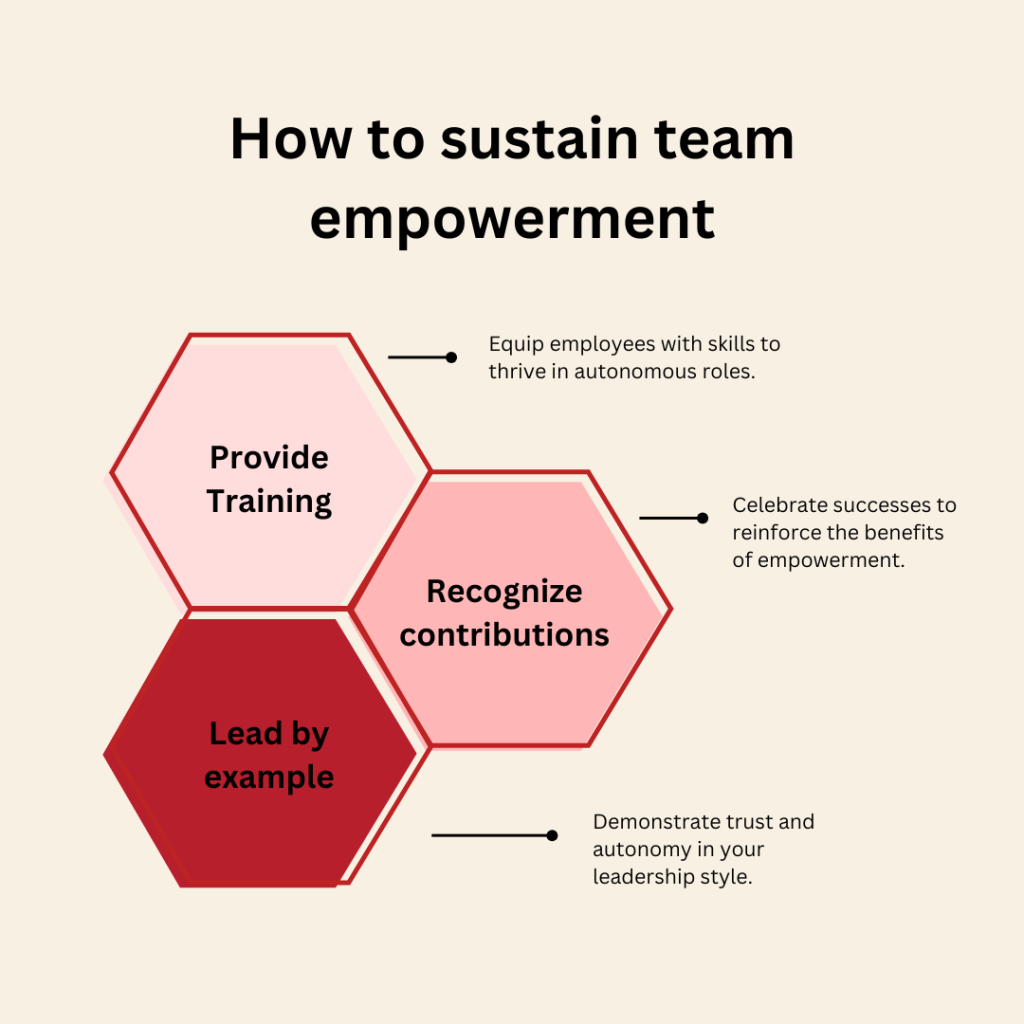
Once you’ve made the shift, maintain momentum by:
-
Providing Continuous Training: Equip employees with skills to thrive in autonomous roles.
-
Recognizing Contributions: Celebrate successes to reinforce the benefits of empowerment.
-
Embodying Empowerment as a Leader: Demonstrate trust and autonomy in your leadership style.
For more tips on creating a supportive environment, read our guide on resilience training for employees.
Wrapping Up
Shifting from micromanagement to empowerment requires intentional effort, but the rewards are worth it. By fostering trust, autonomy, and accountability, you’ll create a thriving team ready to tackle challenges and innovate with confidence.
Ready to lead your team toward empowerment? Start small, build trust, and watch your workplace transform.

Serial entrepreneur and founder of Love Not Fear, a self-leadership framework helping people make decisions from love instead of fear.
More from David →Prefer listening? The Love Not Fear podcast covers these ideas and more.
Listen to the podcast →Keep reading