How to Make Empathy a Core Organizational Value and Boost Productivity
In a workplace that prioritizes empathy, employees feel valued, supported, and understood. Empathy—the ability to recognize, understand, and share the emotions
In a workplace that prioritizes empathy, employees feel valued, supported, and understood. Empathy—the ability to recognize, understand, and share the emotions of others—is not just a “nice-to-have” quality; it’s a productivity driver. It fosters trust, enhances communication, and creates a culture where people thrive.
In this guide, we’ll explore why empathy is vital for organizational success, how to make it a core value, and actionable ways to practice understanding and addressing emotions to improve team productivity.
1. Why Empathy Matters in the Workplace
Empathy isn’t just about being kind—it’s a strategic asset. Here’s why it’s essential:
-
Improves Employee Retention: Teams that feel understood are more likely to stay engaged and loyal.
-
Enhances Collaboration: Understanding emotions reduces conflict and promotes teamwork.
-
Boosts Productivity: Empathetic managers create an environment where employees are motivated to perform their best.
-
Builds Trust: Empathy establishes a foundation of psychological safety, a key factor in high-performing teams.
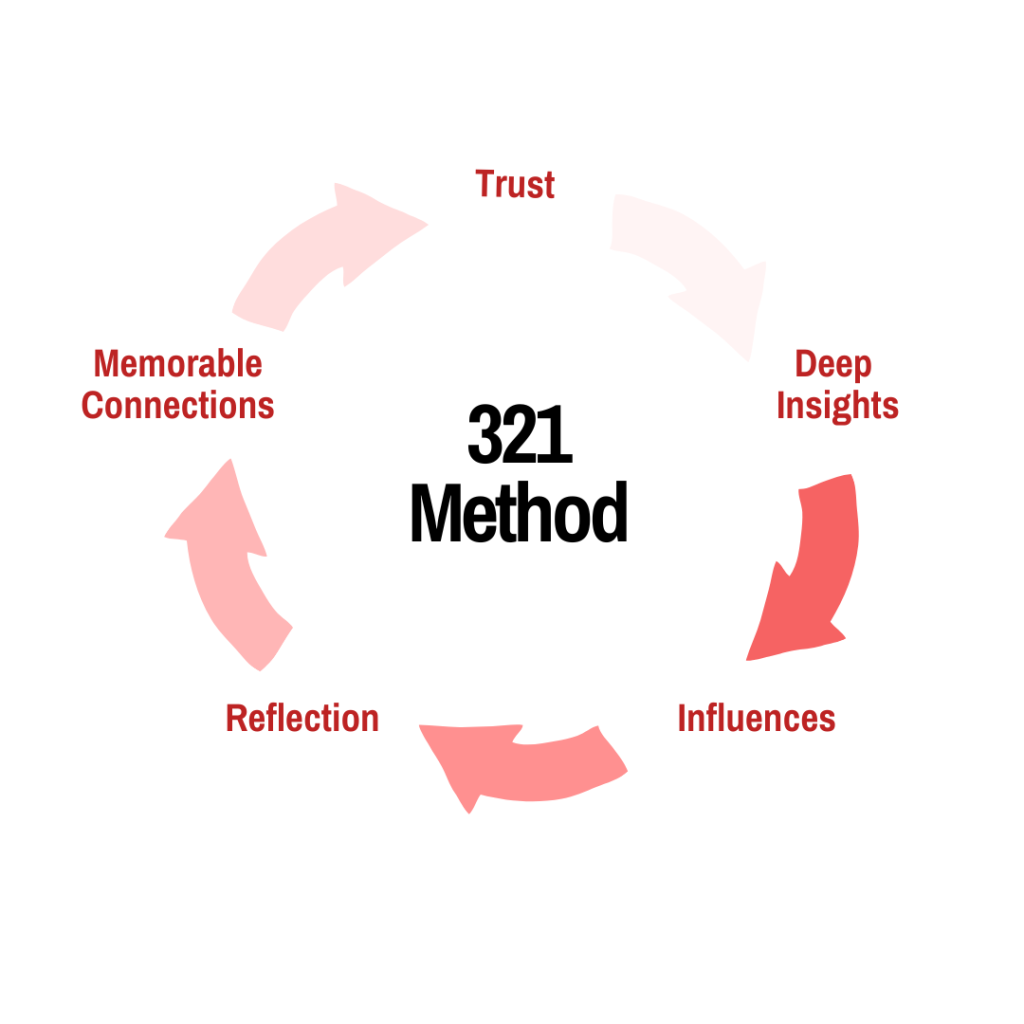
Learn how to build stronger connections with your team in our guide on 321 method for deepening team connections through personal stories.
2. Making Empathy a Core Organizational Value
To embed empathy in your organization’s DNA, consider these steps:
Incorporate Empathy into Your Mission Statement
Ensure your company values explicitly mention empathy. This reinforces its importance and provides a guiding principle for decision-making.
Lead by Example
Leadership sets the tone for organizational culture. When leaders practice empathy consistently, it inspires others to do the same.
Provide Training on Emotional Intelligence
Offer workshops or courses on emotional intelligence (EQ) to help employees and leaders improve their ability to understand and manage emotions.
Reward Empathetic Behaviors
Recognize and celebrate acts of empathy in the workplace, such as supporting a colleague during a challenging time.
Discover how to create a supportive workplace culture in our article on resilience training for employees.
Free Tool: Join the Inner Circle Go deeper with a community of leaders committed to love-based leadership and organizational change. Learn more →
3. Practicing Empathy Daily: Actionable Strategies
Active Listening
Listen to understand, not just to respond. Focus fully on the speaker, acknowledge their feelings, and ask clarifying questions to ensure understanding.
Action Tip: Start meetings with an open-ended question like, “How is everyone feeling today?”
Recognize Nonverbal Cues
Pay attention to body language, tone of voice, and facial expressions, which often convey emotions more effectively than words.
Cultivate Open Communication
Create a space where employees feel safe to express their thoughts and emotions without fear of judgment. This builds trust and strengthens relationships.
Action Tip: Use anonymous surveys to understand team concerns and address them proactively.
Empathy Mapping
When tackling a challenge, consider it from different perspectives. What might team members feel, think, or need in this situation?
Action Tip: During project planning, discuss potential emotional challenges and brainstorm solutions together.
4. How Empathy Boosts Productivity
Empathy isn’t just good for employee well-being—it directly impacts performance:
-
Increased Engagement: Employees who feel understood are 4.6 times more likely to be engaged at work.
-
Better Problem-Solving: Diverse perspectives and emotional insights lead to more innovative solutions.
-
Reduced Absenteeism: Empathetic workplaces lower stress, reducing sick days and burnout.
Action Tip: Incorporate empathy metrics into employee engagement surveys to track progress over time.
Explore more on emotional well-being and productivity in our post on transforming fear into opportunity.
5. Measuring and Sustaining Empathy
To ensure empathy remains a core value, regularly assess its impact through:
-
Feedback Sessions: Host monthly meetings to discuss how empathy has influenced team dynamics.
-
Performance Metrics: Track indicators like employee satisfaction, collaboration efficiency, and retention rates.
-
Continued Education: Offer ongoing training and resources to reinforce empathetic practices.
Wrapping Up
By making empathy a core organizational value and practicing emotional understanding, you not only boost team productivity but also create a workplace where people feel valued and connected. Empathy is more than a skill—it’s the foundation of thriving teams and businesses.
Ready to lead with empathy? Start today, and watch your team—and your organization—flourish.

Serial entrepreneur and founder of Love Not Fear, a self-leadership framework helping people make decisions from love instead of fear.
More from David →Prefer listening? The Love Not Fear podcast covers these ideas and more.
Listen to the podcast →Keep reading